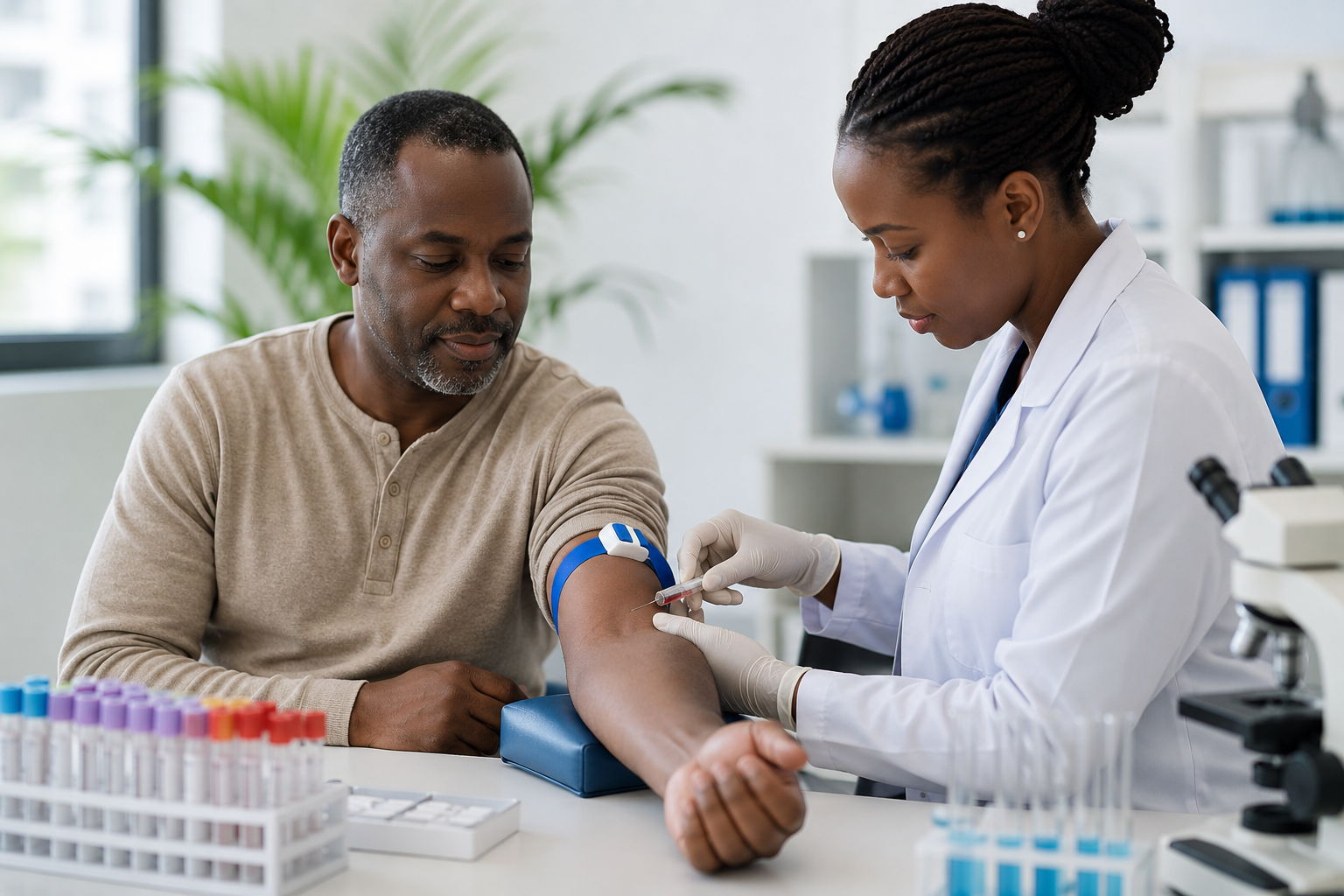
Turning 40 is a milestone most people celebrate with a party. But the real gift you can give yourself that year is not a cake or a weekend getaway. It is knowledge about your own body. Because here is the truth that doctors in Kenya will tell you plainly: most of the serious conditions that shorten lives do not announce themselves loudly. They move quietly, building in the background while you feel perfectly fine, until one day they are no longer manageable.
The good news is that you do not have to be caught off guard. An annual health checkup in Kenya after age 40 is one of the most powerful decisions you can make for yourself and for everyone who depends on you.
This guide is for you if you are over 40, living in Kenya, and wondering what tests actually matter and why. No medical jargon. No fear tactics. Just clear, honest information so you can walk into a clinic with confidence.
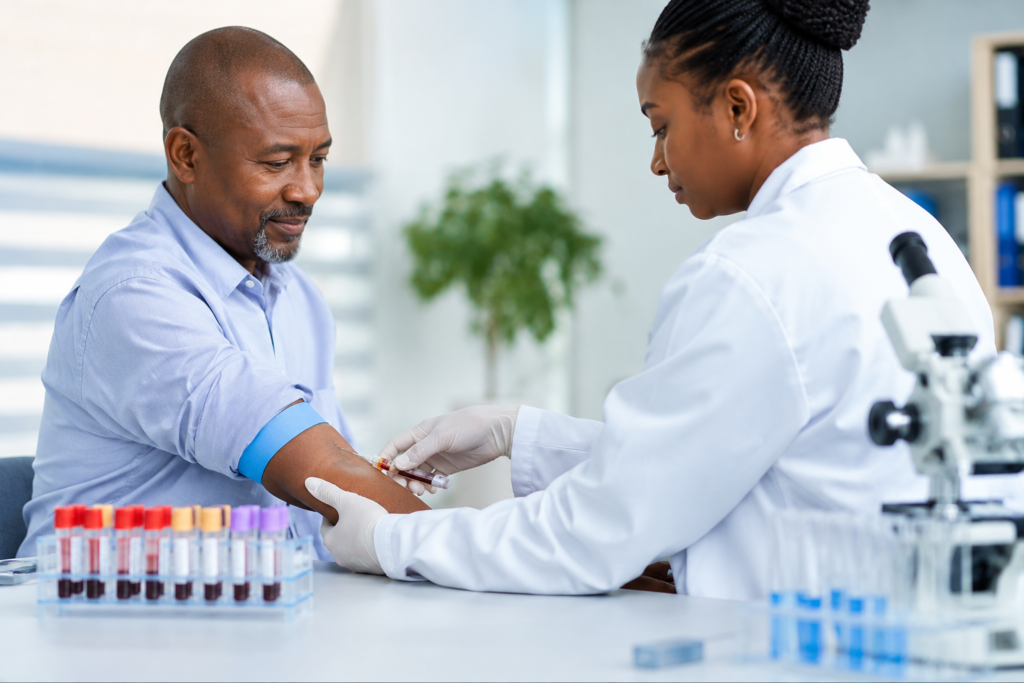
Why 40 Is the Age That Changes Everything?
Your body in your forties is not the same body you had in your twenties. The shift is gradual, which is exactly what makes it so easy to ignore. Metabolism slows. Blood pressure creeps upward. Blood sugar regulation becomes less efficient. Hormones begin to fluctuate. The immune system is not quite as sharp as it used to be.
At the same time, Kenya is facing a growing epidemic of noncommunicable diseases. Diabetes, hypertension, heart disease, kidney failure and certain cancers are being diagnosed in adults younger than ever before. Unlike malaria or typhoid, these conditions do not come with obvious early symptoms. They develop over years and are often discovered only when significant damage has already been done.
Annual lab work changes that equation entirely.
The Lab Tests That Every Kenyan Adult Over 40 Should Get
Here is a clear breakdown of the tests that matter most, what they measure and why they are worth doing every single year.
1. Complete Blood Count
A complete blood count, commonly known as a CBC, examines the three main components of your blood: red blood cells, white blood cells and platelets. Low red blood cell counts indicate anemia, which is one of the most common and underdiagnosed conditions among Kenyan adults, especially women. High white blood cell counts can signal infection, inflammation or in some cases more serious conditions. This test forms the foundation of any annual blood panel and takes only a small sample to run.
2. Fasting Blood Sugar and HbA1c
Kenya is quietly in the middle of a diabetes crisis. The International Diabetes Federation estimates that millions of sub Saharan Africans are living with diabetes without knowing it. The fasting blood sugar test gives a snapshot of your blood glucose on the morning of the test. The HbA1c test goes deeper, showing your average blood sugar levels over the past two to three months. Together, these two tests reveal the full picture of how your body is handling glucose.
Catching prediabetes early is genuinely life changing. At that stage, a shift in diet, an increase in physical activity and sometimes a simple low cost medication can prevent full diabetes from developing.
3. Lipid Panel
Your lipid panel measures total cholesterol, LDL cholesterol (the harmful kind), HDL cholesterol (the protective kind) and triglycerides. High LDL is one of the primary drivers of heart disease and stroke, two leading causes of death among adults over 40 in Kenya. The terrifying thing about high cholesterol is that it has absolutely no symptoms. You feel completely normal right up until a cardiac event occurs. This test gives you data that allows you to make informed choices about food and medication before a crisis happens.
4. Kidney Function Tests
Your kidneys filter waste from your blood around the clock, every single day. By the time kidney disease becomes symptomatic, significant damage has usually already taken place. Tests for urea, creatinine and estimated glomerular filtration rate assess kidney performance clearly and early. Adults with diabetes or high blood pressure, both increasingly common in Kenya, face a much higher risk of kidney complications and should treat this test as non negotiable.
5. Liver Function Tests
The liver processes everything you eat, drink and take as medication. Liver function tests measure enzymes including ALT, AST and bilirubin to assess whether your liver is under stress. Hepatitis B, which has a notable prevalence in Kenya, can quietly damage the liver over many years without producing obvious symptoms. Hepatitis B screening and vaccination status should also be reviewed during your annual checkup if not already done.
6. Thyroid Function Test
The thyroid is a small gland in your neck that controls metabolism, energy and hormonal balance throughout the body. When it malfunctions, the symptoms are easy to dismiss as stress or aging. Persistent fatigue, unexplained weight changes, hair thinning, low mood, brain fog and disturbed sleep can all point to a thyroid disorder. A simple test measuring TSH, T3 and T4 levels will confirm whether your thyroid is working as it should. Thyroid conditions are especially common in women after 40 but men can be affected as well.
7. HIV Test
Kenya has made extraordinary strides in its HIV response over the past two decades, but the epidemic is far from over. Annual HIV testing is recommended for all sexually active adults, particularly those who have not been tested recently or who have had multiple partners. Knowing your status is an act of care for yourself and for others. For those living with HIV, consistent antiretroviral therapy now means a full, healthy and long life. For those who test negative, testing annually is a cornerstone of staying negative.
8. Blood Pressure Measurement
Hypertension is one of the most dangerous conditions in Kenya today, largely because most people who have it do not feel anything unusual. It is genuinely called the silent killer, and it earns that name. Left untreated, high blood pressure damages the arteries, the heart, the kidneys and the brain over time. A blood pressure check takes less than five minutes and can tell you something that could save your life. It should be part of every clinic visit without question.
9. Prostate Specific Antigen Test for Men
Men over 40 in Kenya should have a conversation with their doctor about prostate health. The PSA test measures a protein produced by the prostate gland. Elevated PSA levels can indicate prostate cancer, benign enlargement or infection. Prostate cancer is one of the most common cancers affecting Kenyan men, and like most cancers, early detection dramatically improves the chances of successful treatment. This is not a test to postpone out of discomfort or fear.
10. Cervical Cancer Screening for Women
Cervical cancer remains the most common cancer among women in Kenya. It is also one of the most preventable. Women between the ages of 25 and 65 should have a Pap smear at least every three years, or an HPV test every five years. Women over 40 who have never been screened should make this a priority this year. When caught early, cervical cancer is highly treatable. When caught late, it is not.
11. Chest X Ray
Given Kenya’s sustained burden of tuberculosis, a chest X ray is worth discussing with your doctor, particularly if you live or work in densely populated settings or have been in close contact with someone diagnosed with TB. TB can remain latent in the body for years without symptoms. A chest X ray can also identify early signs of lung changes in people who smoke, making it relevant beyond TB screening alone.
12. Eye Examination
After 40, the eye becomes increasingly vulnerable to conditions including glaucoma, cataracts and macular degeneration. Many Kenyans delay eye care until vision loss is already significant and irreversible. An annual examination with an eye specialist is about preserving a sense that most people take entirely for granted. It is quick, painless and genuinely worth making time for.
Tailoring Your Tests to Your Personal Story
Not everyone needs every test at the same frequency. Your doctor will prioritize based on your family history, current health status, lifestyle and any existing conditions. Some examples:
A person with a family history of colon cancer may need a colonoscopy starting at age 40. A woman with dense breast tissue may benefit from annual mammogram screening. Someone who has struggled with alcohol use long term should pay close attention to liver enzyme results. A person managing both diabetes and high blood pressure needs comprehensive lab tests after 40 that cover metabolic markers, kidney function and cardiac risk every single year without exception.
The goal is not to run every test in existence. The goal is to run the right tests for your specific body and history.
How Often Should You Be Getting Tested?
For most healthy adults over 40, once a year is the minimum. If you have already been diagnosed with a chronic condition such as diabetes, hypertension, kidney disease or thyroid dysfunction, your doctor will likely recommend more frequent monitoring. The important thing is to not let a year turn into two or three because nothing felt wrong.
Think of your annual lab work the way you think about maintaining a vehicle. You do not wait for the engine to break down before you check the oil. You maintain it consistently because that is what keeps it running well for years to come.
What a Preventive Screening at MediEarth Life Care Looks Like?
At MediEarth Life Care, preventive medical screening in Nairobi is designed for real people with real lives and real health concerns. Our clinical team does not just hand you a printed report with numbers and send you home. We sit with you, explain what your results mean in plain language and help you build a practical, achievable plan based on what the numbers are telling us.
Our screening packages for adults over 40 include:
- A thorough clinical consultation with an experienced physician
- A comprehensive blood panel covering metabolic, hormonal and organ function markers
- Lifestyle and risk factor assessment tailored to the Kenyan adult health profile
- Clear written recommendations and a follow up plan
- Ongoing support as you take steps toward better health
We work with you, not just on you.
The Real Cost of Waiting
The most common reason people avoid annual testing is cost. This is understandable. Healthcare expenses in Kenya can feel like a burden. But consider the other side of that equation.
The cost of treating end stage kidney disease, advanced diabetes complications or late stage cancer is many times higher than the cost of a preventive blood panel. Dialysis alone costs hundreds of thousands of shillings per year. The emotional cost to a family watching a loved one suffer from a condition that could have been detected early is beyond calculation.
Early detection is not an expense. It is an investment in your ability to remain healthy, active and present for the people who matter most to you.
Where to Begin
You do not need to arrive at the clinic with a list of tests memorized. You do not need to know medical terminology or have a referral from another doctor. You just need to show up.
Walk in and ask about an adult health screening package. Our team at MediEarth Life Care will do the rest. We offer blood test packages in Kenya that are comprehensive, affordable and built around what adults over 40 actually need, not a generic checklist that ignores the realities of living and aging in this country.
Your health is not something to put aside until you feel sick. Prevention is always more powerful, more affordable and more dignified than cure.
Book your annual screening today and give yourself the clearest possible picture of where you stand.
About MediEarth Life Care
MediEarth Life Care is a trusted healthcare provider delivering diagnostic, preventive and curative services to patients across Kenya. Our commitment is simple: quality healthcare that is accessible, affordable and deeply personal. Whether you need a basic blood test or a full adult wellness package, our experienced team is here to guide you from the moment you walk through the door.
Visit us at mediearthlifecare.com or call us to book your appointment today.