Introduction
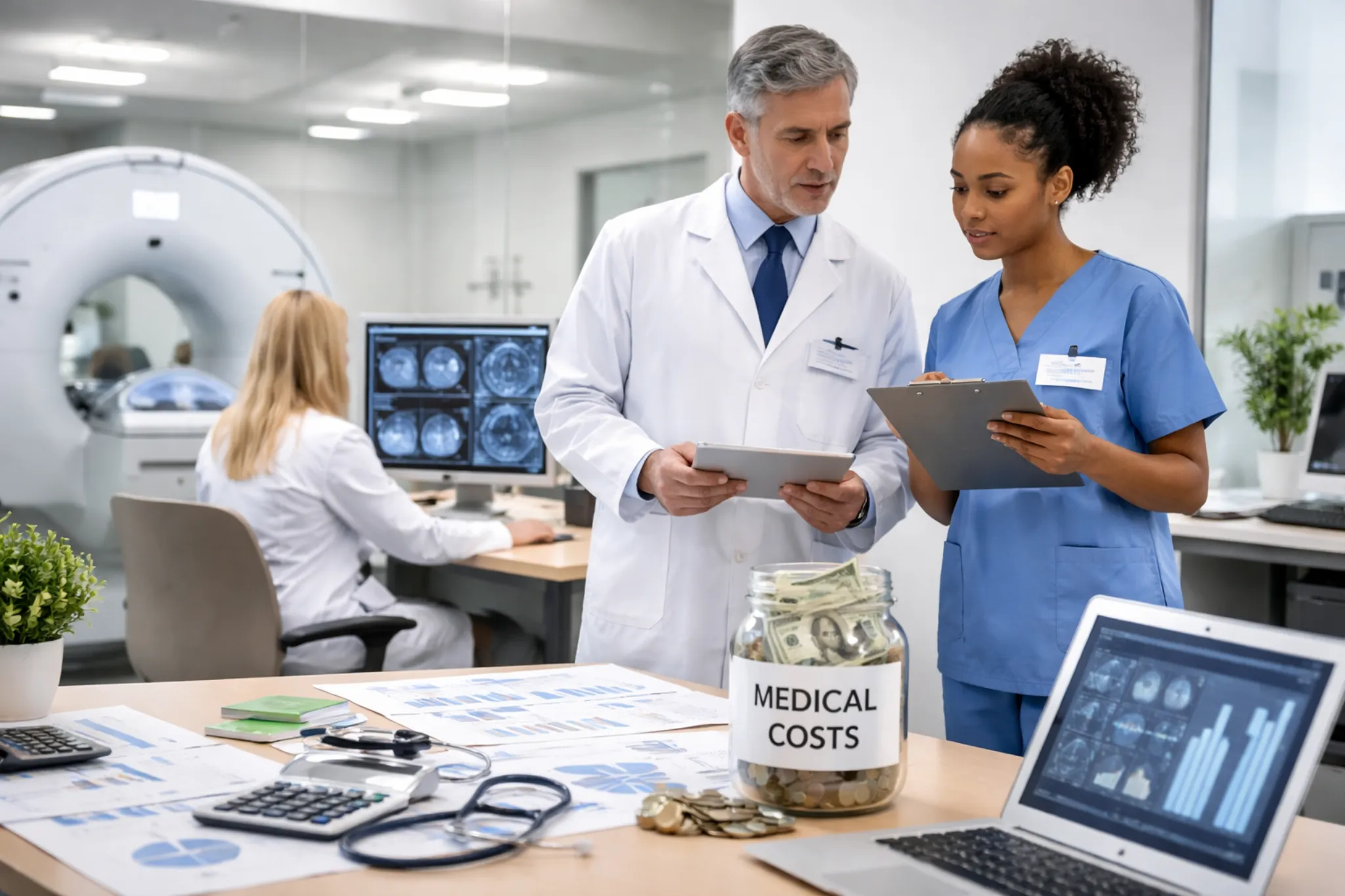
Healthcare costs are increasing worldwide, and radiology centers are also facing financial pressure. Expensive equipment, maintenance costs, and operational expenses make it difficult to manage services efficiently. To handle these challenges, many facilities are adopting smarter strategies. Radiology Hospital in Nairobi is focusing on cost-effective solutions while maintaining quality care for patients.
Balancing affordability and quality is essential to ensure that patients continue to receive reliable diagnostic services.
Why Are Radiology Costs Increasing?
Radiology involves advanced technology, which requires high investment. Costs are rising due to:
- Expensive imaging equipment
- Maintenance and upgrades
- Skilled workforce requirements
- Energy and operational expenses
These factors make it important for radiology centers to find sustainable solutions.
Investing in Efficient Technology
Upgrading to modern and energy-efficient equipment can help reduce long-term costs.
New imaging systems offer:
- Faster scan times
- Lower energy consumption
- Reduced maintenance needs
Although the initial investment may be high, it leads to savings over time.
Optimizing Resource Management
Proper use of resources is key to controlling costs. Radiology centers can improve efficiency by:
- Scheduling appointments effectively
- Reducing idle machine time
- Managing staff shifts wisely
Better resource management ensures maximum productivity with minimal waste.
Preventive Maintenance of Equipment
Unexpected breakdowns can increase expenses and delay patient care.
Regular maintenance helps:
- Avoid costly repairs
- Extend equipment lifespan
- Ensure consistent performance
This approach reduces long-term operational costs.
Digital Transformation in Radiology
Switching to digital systems can significantly reduce administrative costs.
Digital solutions help with:
- Storing patient records
- Sharing reports quickly
- Reducing paper usage
This improves efficiency and lowers operational expenses.
Training and Skill Development
Well-trained staff can operate equipment more efficiently and reduce errors.
Training programs help:
- Improve accuracy in imaging
- Reduce repeat scans
- Enhance patient experience
This not only saves costs but also improves service quality.
Expanding MRI Services in Nairobi
Offering specialized services like MRI Services in Nairobi can help radiology centers increase revenue.
MRI scans are in high demand for diagnosing complex conditions. By expanding such services, centers can:
- Attract more patients
- Improve financial stability
- Offer advanced diagnostic solutions
This strategy helps balance costs with income.
Collaboration and Partnerships
Radiology centers can reduce costs by partnering with hospitals and clinics.
Collaboration allows:
- Shared use of equipment
- Better patient referrals
- Reduced operational burden
This improves efficiency and supports sustainable growth.
Improving Patient Flow and Experience
Efficient patient management reduces delays and improves satisfaction.
By streamlining processes, centers can:
- Handle more patients daily
- Reduce waiting times
- Increase overall productivity
Better patient flow directly impacts revenue and cost management.
Adapting to Growing Demand
The demand for diagnostic imaging is increasing globally. Reports suggest that the radiology market is expected to grow steadily in the coming years.
Radiology centers in Nairobi are adapting by improving services and adopting cost-saving strategies to stay competitive.