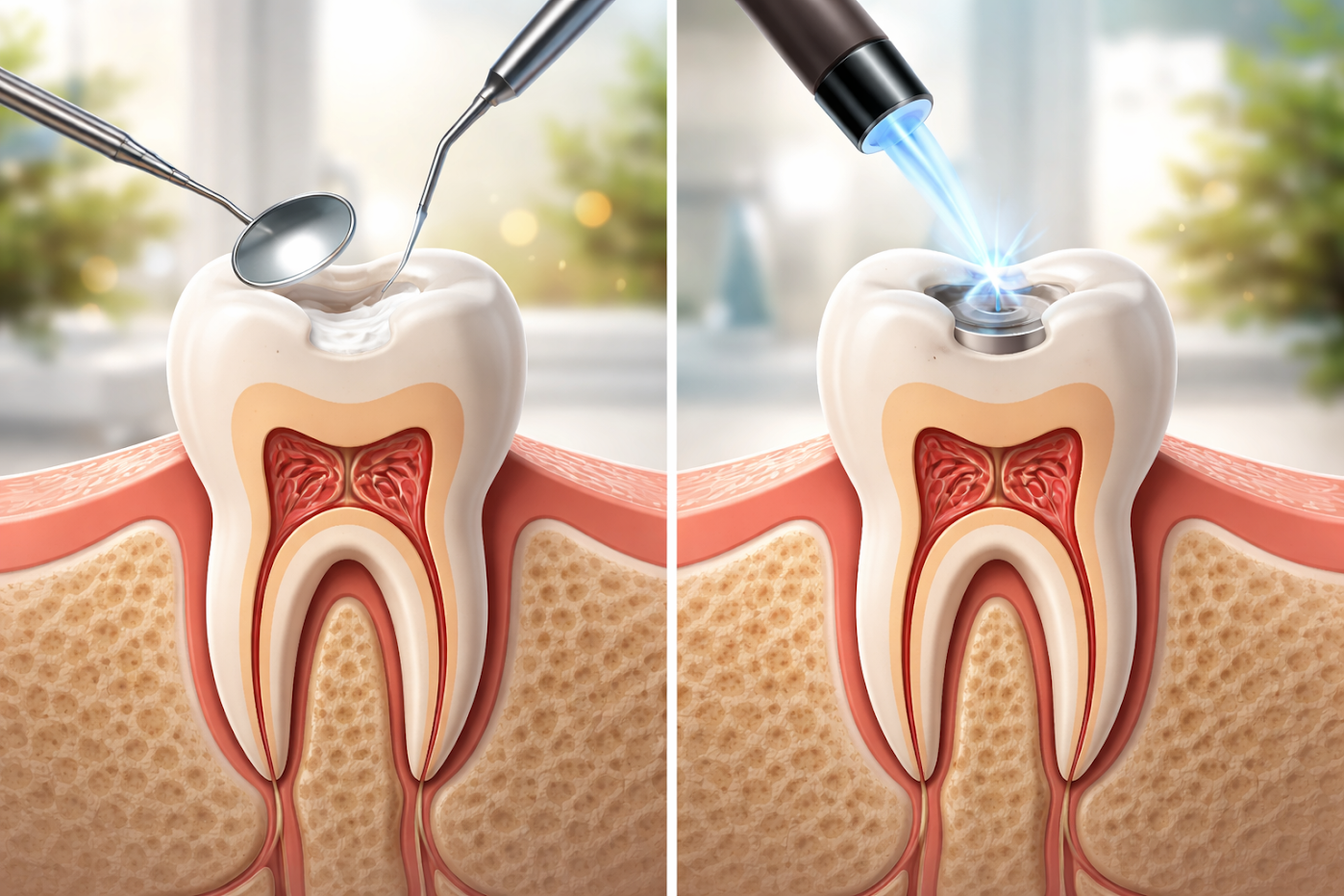
Dental pain often starts small but can quickly become a serious problem if ignored. Cavities, cracked teeth, or sudden sensitivity are common reasons people visit a dentist. One of the most trusted solutions for these problems is dental fillings. However, many patients feel confused when their dentist talks about temporary and permanent fillings.
Understanding the difference helps you make better decisions about your oral health. This guide explains when each type is used, why it matters, and how trusted providers like Mediearth LifeCare support patients with safe and reliable care.
Dental filling services in Kenya have improved significantly in recent years, making modern treatment more comfortable, durable, and accessible than ever before.
Why Dental Fillings Are Important for Oral Health?
A dental filling restores a tooth that has been damaged by decay, wear, or minor fractures. Without a filling, bacteria can continue to spread, leading to infection or even tooth loss.
According to the World Health Organization, nearly 45% of adults worldwide suffer from untreated dental cavities. In Kenya, dental decay remains one of the most common oral health issues among both adults and children.
Early filling treatment:
- Stops tooth decay from spreading
- Reduces pain and sensitivity
- Restores chewing ability
- Prevents costly procedures later
This is why dentists carefully choose between temporary and permanent fillings based on your condition.
What Are Temporary Dental Fillings?
Temporary fillings are short-term solutions. They are placed when a tooth needs protection for a limited time before final treatment.
Dentists usually recommend temporary fillings when:
- A tooth needs time to heal
- Further procedures, like root canal treatment, are planned
- The patient has severe pain or infection
- A permanent filling cannot be placed immediately
These fillings act as a protective barrier. They keep bacteria out and reduce discomfort until the next dental visit.
Temporary fillings are made from softer materials, which makes them easy to place and remove. However, they are not designed to last long.
How Long Do Temporary Fillings Last?
Most temporary fillings last from a few days to a few weeks. In some cases, they may last up to a month, but they are not suitable for long-term use.
What Are Permanent Dental Fillings?
Permanent fillings are designed to restore a tooth for many years. Once placed, they allow you to eat, speak, and smile normally.
Permanent fillings are used when:
- Tooth decay is fully removed
- Infection is under control
- The tooth structure is stable
- No further procedures are required
Common materials include tooth-coloured composite, silver amalgam, and ceramic. Dentists choose the material based on tooth location, bite pressure, and patient preference.
Studies show that composite fillings can last 7–10 years, while other materials may last even longer with proper care.
Temporary vs Permanent Fillings: Key Differences
The main difference lies in purpose and durability.
Temporary fillings:
- Short-term protection
- Softer material
- Lower durability
- Used during ongoing treatment
Permanent fillings:
- Long-term solution
- Strong and durable
- Restore full function
- Final stage of treatment
Choosing the right type depends on your dental condition, not just convenience.
When do dentists choose temporary fillings first?
Sometimes, placing a permanent filling immediately can cause more harm than good. For example, if a tooth is infected, sealing it permanently may trap bacteria inside.
Statistics from dental care studies show that nearly 30% of emergency dental visits require temporary fillings before final treatment.
Temporary fillings allow dentists to:
- Monitor healing
- Reduce inflammation
- Manage pain safely
At Mediearth LifeCare, patient comfort and safety always come first. Dentists carefully evaluate each case before deciding the treatment plan.
Why Permanent Fillings Are Essential for Long-Term Health?
Leaving a temporary filling for too long increases the risk of:
- Tooth fracture
- Bacterial leakage
- Gum infection
Permanent fillings restore the tooth’s strength and prevent repeated dental problems. They also improve appearance and confidence, especially when tooth-coloured materials are used.
For patients seeking dental filling services in Nairobi, professional clinics now offer advanced materials that look natural and feel comfortable.
The Role of Professional Dental Care
Not all fillings are the same. The success of a filling depends on proper diagnosis, correct material choice, and skilled placement.
According to global dental research, properly placed fillings reduce repeat dental issues by over 60%.
This is why choosing a trusted provider matters.
Mediearth LifeCare focuses on:
- Accurate diagnosis
- Patient-friendly treatment
- Modern dental techniques
- Long-lasting results
Their approach ensures patients receive the right filling at the right time, avoiding unnecessary complications.
Conclusion:
Temporary and permanent dental fillings both play important roles in dental care. Temporary fillings protect and prepare the tooth, while permanent fillings restore strength and function for the long term.
Understanding when and why each is used helps patients feel confident about their treatment decisions. Ignoring dental problems or delaying permanent care can lead to pain, infection, and higher costs.
With expert guidance from Mediearth LifeCare, patients can expect safe, effective, and comfortable treatment tailored to their needs. Early action and professional care remain the best solutions for a healthy smile.