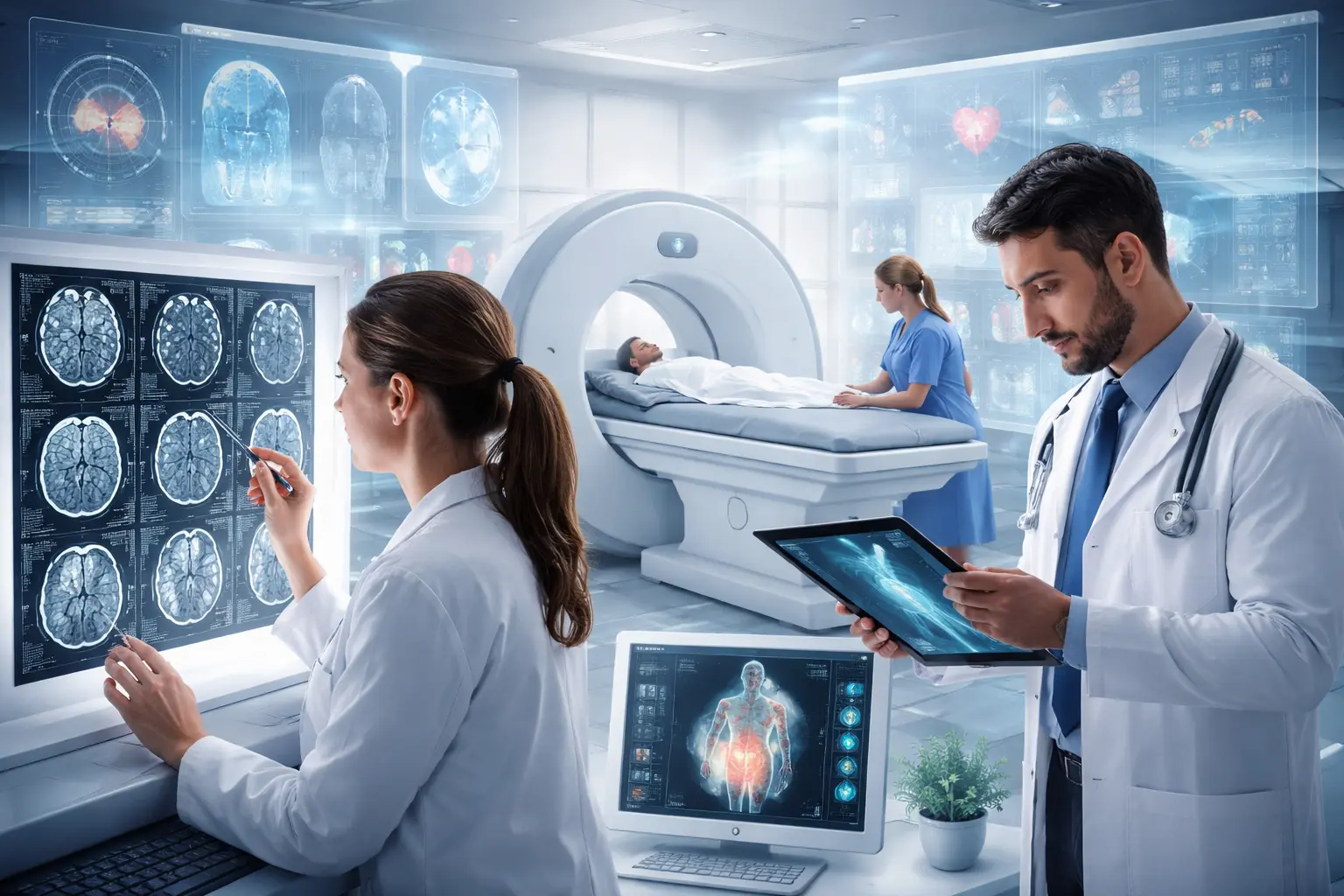
Modern healthcare depends heavily on accurate diagnosis. Many diseases cannot be detected through physical examination alone. This is where radiology plays a critical role. Medical imaging helps doctors see inside the body clearly, allowing them to identify problems early and plan effective treatment.
Radiology services in Kenya have grown rapidly in recent years, supporting hospitals, clinics, and diagnostic centres with advanced imaging tools. From simple X-rays to complex scans, radiology has become the backbone of modern medical care.
For patients, radiology means faster answers, less guesswork, and better health outcomes.
What Is Radiology and Why Does It Matter?
Radiology is a medical field that uses imaging technology to diagnose and treat diseases. These images allow doctors to examine organs, bones, tissues, and blood vessels without surgery.
Radiology matters because:
- Many illnesses show no visible symptoms early on
- Early diagnosis improves treatment success
- Imaging reduces the need for exploratory surgery
- Doctors can track disease progress accurately
According to global healthcare data, over 70% of medical decisions today rely on imaging results. This highlights how essential radiology has become in patient care.
Common Health Problems That Require Radiology
Radiology supports diagnosis across many medical conditions, including:
- Bone fractures and joint injuries
- Heart and blood vessel disorders
- Brain and spine conditions
- Tumours and cancers
- Lung infections and chest problems
- Internal organ damage
Without imaging, many of these conditions would be difficult to detect at the right time.
In Kenya, late diagnosis remains a major healthcare challenge. Studies show that early imaging can improve treatment outcomes by up to 60%, especially in chronic and life-threatening conditions.
How Radiology Improves Diagnosis Accuracy?
Radiology reduces uncertainty in medical diagnosis. Instead of relying only on symptoms, doctors can see clear evidence of disease.
Benefits include:
- Faster diagnosis
- More precise treatment planning
- Reduced treatment errors
- Better monitoring of recovery
For example, imaging helps doctors detect internal bleeding, hidden infections, or abnormal growths that cannot be felt externally.
This accuracy is especially important for patients experiencing long-term pain or unexplained symptoms.
The Role of MRI and Advanced Imaging
Among modern imaging techniques, MRI plays a vital role. It produces detailed images of soft tissues such as the brain, muscles, and organs.
MRI services in Nairobi have become increasingly important for diagnosing:
- Neurological disorders
- Spine and joint problems
- Sports injuries
- Tumours
Medical research shows that MRI scans can detect conditions up to 90% more accurately than basic imaging in certain cases. This makes them essential for complex diagnoses.
Radiology in Treatment Planning and Monitoring
Radiology does not stop at diagnosis. It also helps doctors:
- Plan surgeries precisely
- Monitor treatment effectiveness
- Adjust medications when needed
- Track recovery progress
For cancer patients, imaging helps measure tumour size before, during, and after treatment. This ensures that therapy is working as expected.
Statistics indicate that patients monitored with imaging experience 40% fewer treatment complications compared to those without imaging follow-up.
Patient Safety and Comfort in Modern Radiology
Modern radiology focuses not only on accuracy but also on patient safety. New imaging machines use lower radiation levels while producing clearer images.
Key safety improvements include:
- Reduced radiation exposure
- Faster scan times
- Better patient positioning
- Improved comfort during procedures
Healthcare facilities are also improving their infrastructure to ensure clean, controlled, and safe environments for patients and staff.
In this context, brands like Mediearth LifeCare support healthcare spaces by contributing to safer hospital surroundings and improved facility protection, aligning with the overall goal of patient well-being.
Access to Radiology Services in Kenya
Access to quality imaging has improved across urban and semi-urban areas in Kenya. More diagnostic centres now offer advanced imaging at affordable rates.
However, challenges remain:
- Limited access in remote areas
- Equipment shortages in some facilities
- Awareness gaps among patients
Continued investment in radiology is essential for improving national healthcare outcomes.
According to healthcare reports, countries that invest in diagnostic imaging reduce misdiagnosis rates by nearly 35%.
Why Radiology Is Essential for the Future of Healthcare?
As diseases become more complex, radiology will continue to play a vital role in healthcare systems. Early detection, personalised treatment, and accurate monitoring depend on high-quality imaging.
Radiology helps:
- Save lives through early diagnosis
- Reduce long-term healthcare costs
- Improve patient trust and confidence
- Support doctors in making informed decisions
Healthcare-supporting brands like Mediearth LifeCare contribute indirectly by promoting safer, cleaner, and more reliable healthcare environments that allow medical services to function smoothly.
Conclusion:
Radiology has transformed the way diseases are diagnosed and treated. It provides clarity where symptoms alone cannot. From emergency care to long-term treatment planning, imaging has become essential.
MRI services in Kenya continue to strengthen the healthcare system by enabling early detection, accurate diagnosis, and effective treatment. With growing access to advanced imaging and improved healthcare infrastructure, patients can expect better outcomes and safer care.
By supporting healthcare safety and facility standards, Mediearth LifeCare aligns with the broader mission of improving patient health and medical reliability across Kenya.