When it comes to oral health, many people only visit the dentist when they feel pain. However, not all dental problems begin with discomfort. One condition that often develops quietly is a dental cyst. If left untreated, it can cause serious damage to your teeth, gums, and jaw.
In clinics offering Dental Services in Kenya, dental cyst cases are more common than many patients realize. Understanding the early warning signs can help you seek treatment before the problem becomes severe.
This article explains what dental cysts are, why they form, and the signs you should never ignore.
What Is a Dental Cyst?
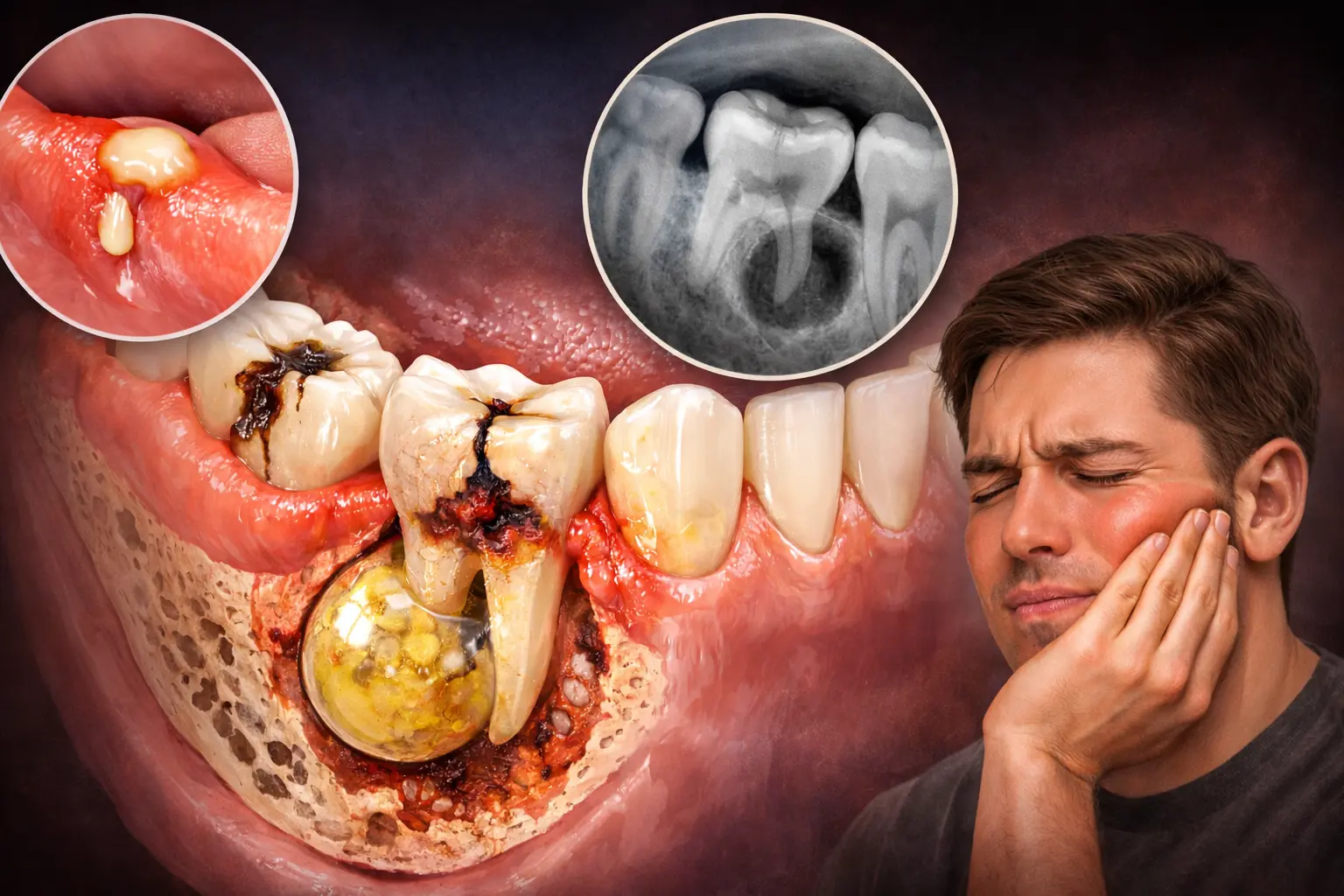
A dental cyst is a small sac filled with fluid, air, or soft material that develops in the jawbone or around a tooth. It usually forms near the root of a dead or infected tooth. Sometimes, it can also grow around an unerupted tooth, such as a wisdom tooth.
Dental cysts grow slowly. In the early stages, you may not feel anything unusual. This is why regular dental check-ups are important. Without proper care, a cyst can expand and weaken the surrounding bone.
How Common Are Dental Cysts?
Research shows that jaw cysts account for a noticeable percentage of oral health conditions worldwide. Studies published in dental journals estimate that radicular cysts, the most common type, account for 50–60 percent of all jaw cysts diagnosed in dental clinics.
In many African countries, including Kenya, delayed dental visits contribute to larger cyst growth before diagnosis. Reports from regional oral health studies indicate that many patients only seek treatment once swelling or pain becomes visible.
This highlights the importance of early detection and preventive care.
What Causes a Dental Cyst?
Dental cysts do not appear without reason. They usually develop because of:
- Untreated tooth decay
- Severe tooth infection
- Injury to a tooth
- Impacted wisdom teeth
- Poor oral hygiene over time
When a tooth becomes infected and bacteria spread to the root, the body may form a protective sac around the infected area. This sac becomes a cyst.
Ignoring small dental problems increases the risk of cyst formation.
Early Warning Signs You Should Not Ignore | Dental Services in Nairobi
Although dental cysts may not cause immediate pain, there are early warning signs. Clinics providing Dental Services in Nairobi often diagnose cysts during routine X-rays before symptoms worsen.
Here are signs you should pay attention to:
1. Swelling in the Gums or Jaw
A small lump or swelling in your gum may seem harmless. However, persistent swelling that does not go away could indicate a cyst. The swelling may feel soft at first, but can become firm over time.
2. Tooth Discoloration
If a tooth suddenly becomes darker without injury, it may be a sign that the tooth nerve has died. A dead tooth increases the risk of cyst development at the root.
3. Sensitivity or Mild Pain
You may feel slight discomfort when chewing or pressing on a specific area. Even mild pain that keeps returning should not be ignored.
4. Loose Teeth
As a cyst grows, it can weaken the surrounding bone. This may cause nearby teeth to shift or feel loose.
5. Numbness or Pressure in the Jaw
In advanced cases, a growing cyst can press against nerves. This may cause tingling, numbness, or a heavy feeling in the jaw.
If you notice any of these symptoms, seek professional dental evaluation immediately.
What Happens If a Dental Cyst Is Left Untreated?
Ignoring a dental cyst can lead to serious complications.
- Bone damage in the jaw
- Tooth loss
- Infection spreading to nearby areas
- Facial swelling
- In rare cases, a fracture of the jaw
According to global oral health data, untreated dental infections are among the leading causes of preventable dental hospital admissions. Early treatment significantly reduces complications and treatment costs.
The longer a cyst grows, the more complex the treatment becomes.
How Are Dental Cysts Diagnosed?
Most dental cysts are discovered through dental X-rays. Since they grow inside the jawbone, they are not always visible during a normal oral examination.
Your dentist may recommend:
- Digital X-rays
- 3D imaging scans
- Clinical examination of swelling
Early imaging helps detect cysts before they cause serious damage.
Treatment Options Available
Treatment depends on the size and type of cyst.
1. Root Canal Treatment
If the cyst is linked to an infected tooth, a root canal may remove the infection and stop further growth.
2. Surgical Removal
For larger cysts, minor oral surgery may be required to remove the cyst completely. This procedure is usually safe and done under local anesthesia.
3. Tooth Extraction
If the affected tooth cannot be saved, extraction may be necessary to prevent further infection.
Modern dental care has made cyst treatment safe and effective. Recovery is generally smooth when treatment is done early.
Can Dental Cysts Be Prevented?
While not all cysts are preventable, the risk can be reduced by:
- Brushing twice daily
- Flossing regularly
- Treating cavities early
- Avoiding delayed dental visits
- Getting routine dental check-ups every six months
Prevention is always easier and more affordable than surgery.
Why Early Dental Check-Ups Matter?
Many patients assume that no pain means no problem. Unfortunately, dental cysts often grow silently. By the time pain appears, the cyst may already be large.
Regular dental visits allow early detection through routine imaging. This not only protects your teeth but also prevents costly procedures later.
If you have not had a dental check-up in the past year, it may be time to schedule one.
Conclusion:
Dental cysts are more common than many people think. They often begin quietly but can lead to serious damage if ignored. Swelling, tooth discoloration, mild pain, or loose teeth are warning signs you should never overlook.
Seeking timely care through trusted Dental Services in Nairobi can prevent complications and protect your long-term oral health. Early diagnosis, proper treatment, and regular check-ups are the key steps toward a healthy smile.
Your oral health is an important part of your overall well-being. Do not wait for severe pain before visiting your dentist. Acting early can save your teeth, your comfort, and your confidence.